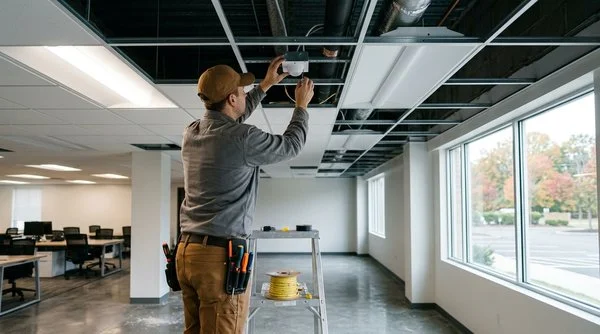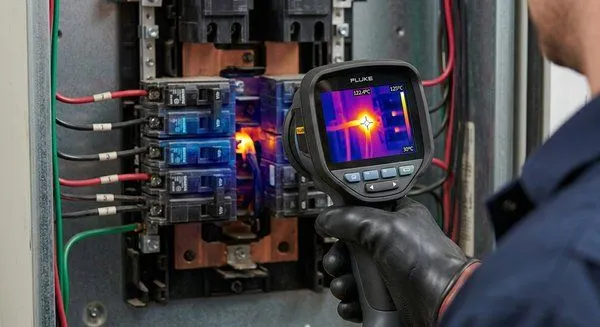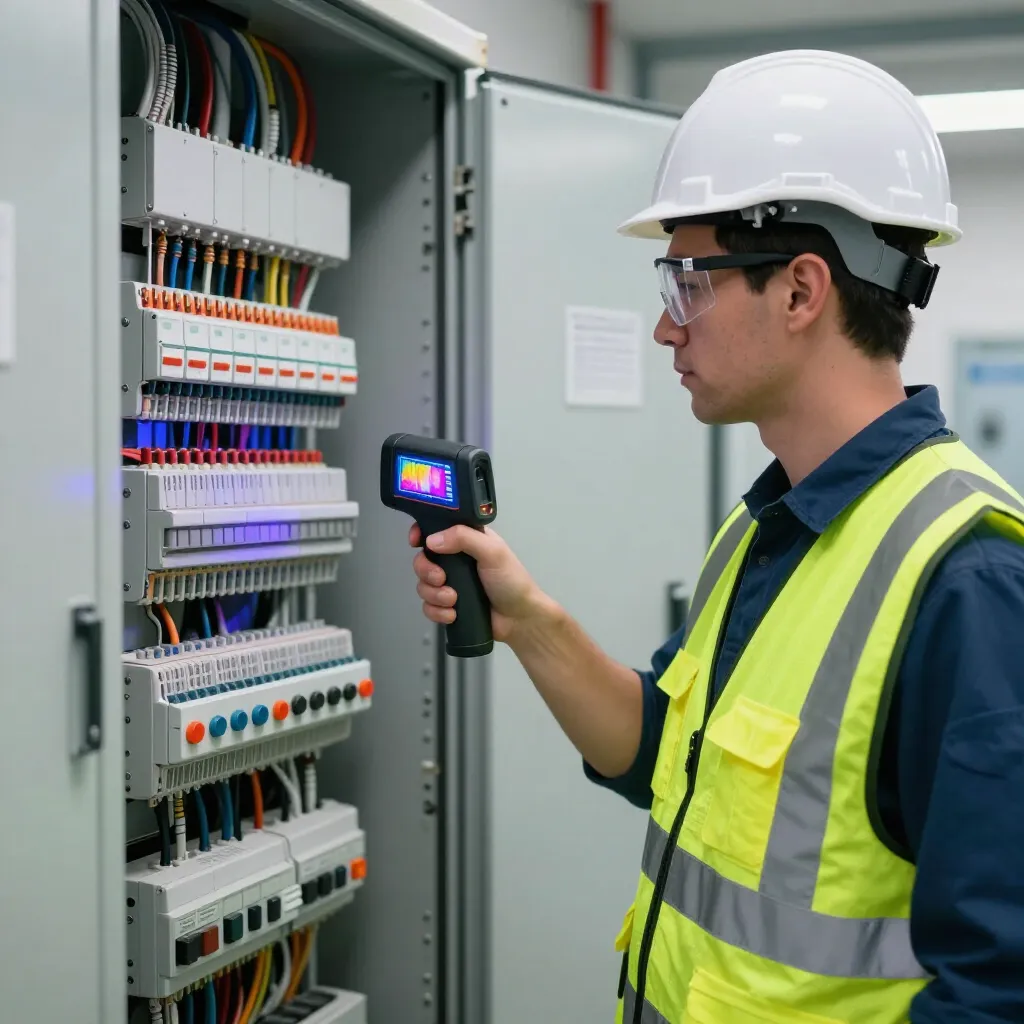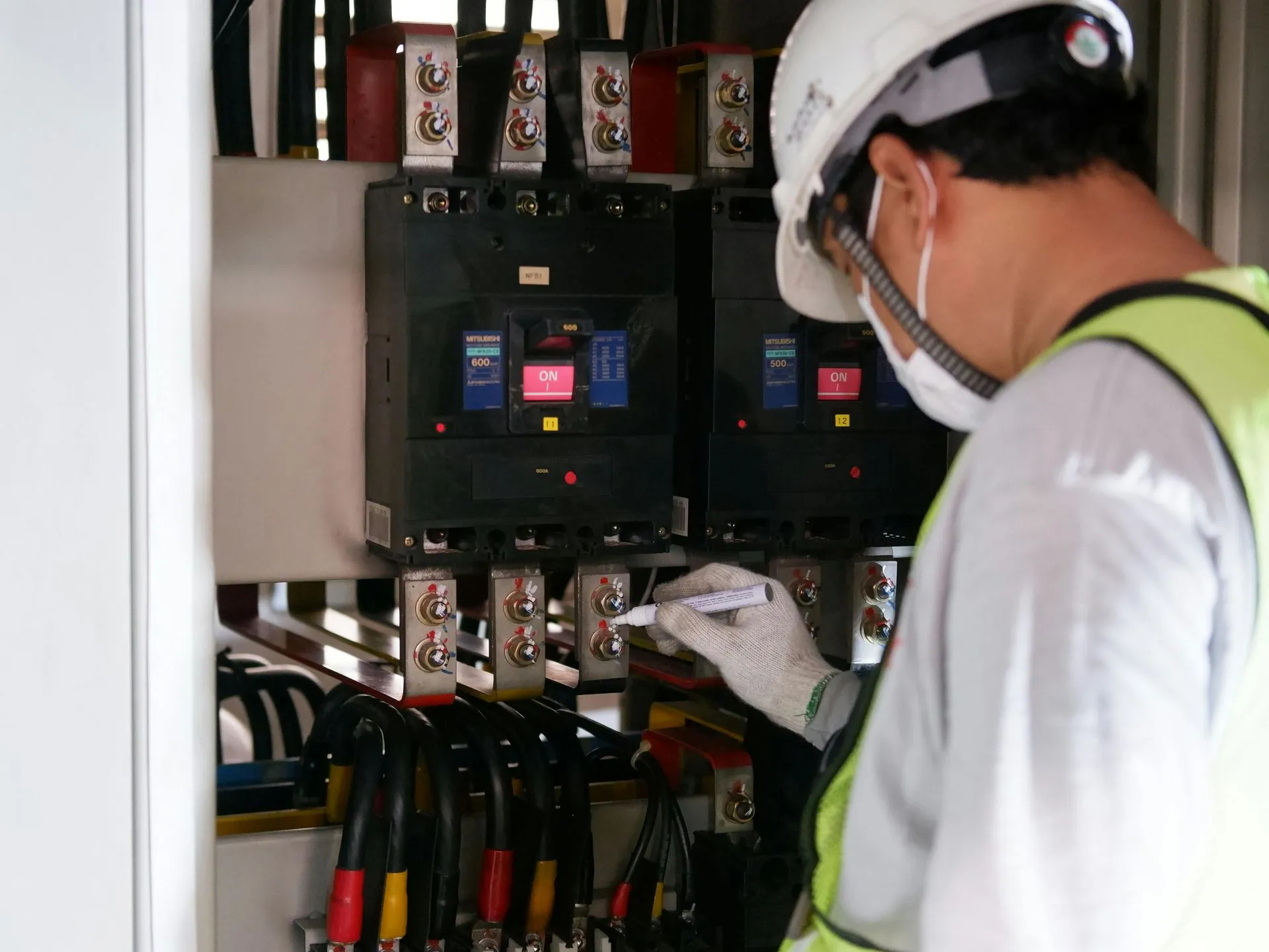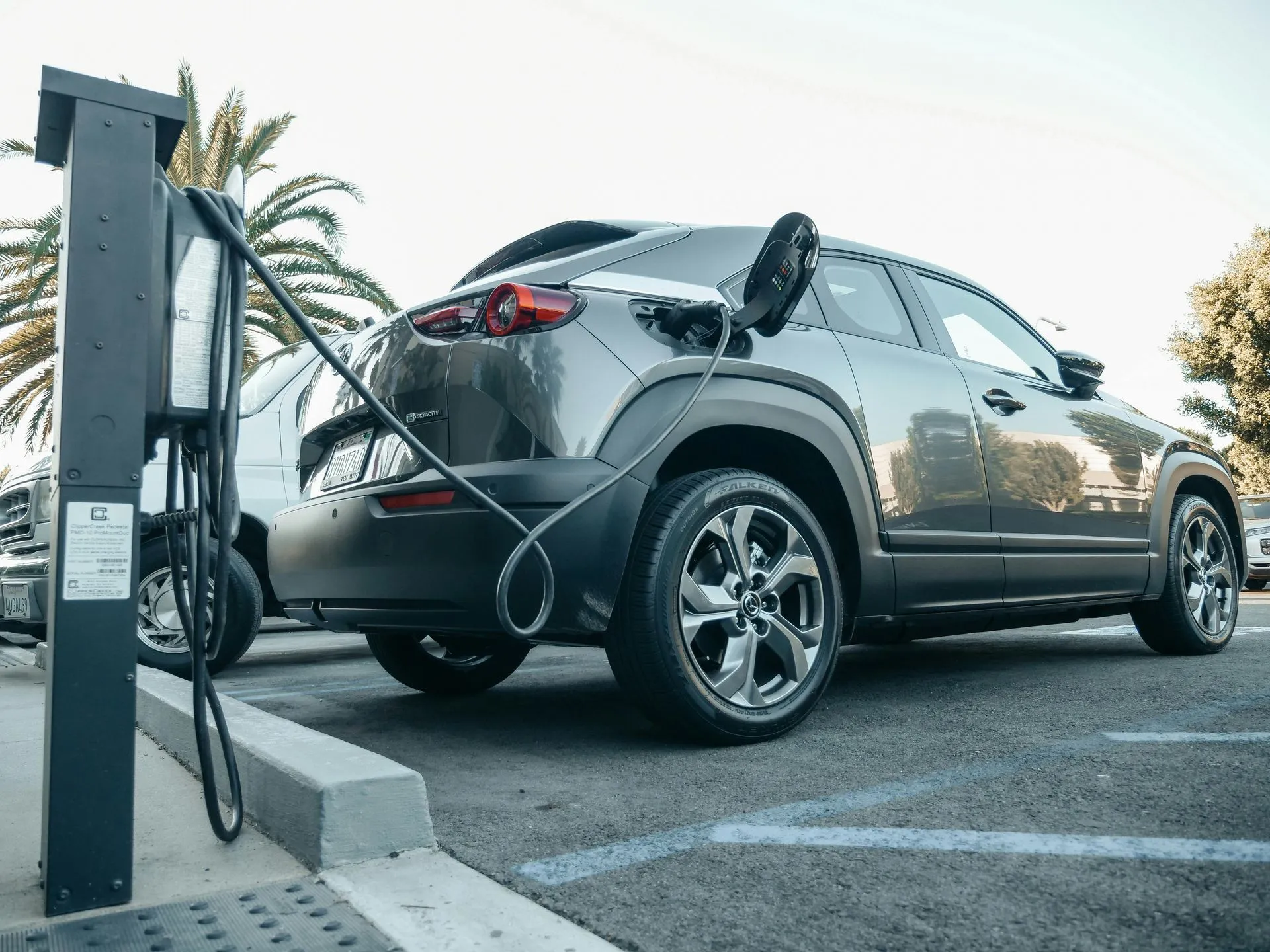


Commercial EV charger installation costs in Scotch Plains depend mainly on which of the three charger levels you select and how much your electrical panel needs upgrading. Level 1 chargers cost the least upfront but charge slowest, while DC Fast Chargers deliver rapid charging at a steeper installation price. Understanding these tradeoffs, plus the incentive programs now available, helps property owners budget realistically before committing to a project.
Businesses across the area are fielding more requests for on-site charging, from retail plazas to office parks. Beacon Electrical Contracting has watched this demand grow alongside shifting rebate structures, which makes now a smart time to plan ahead of installation season.
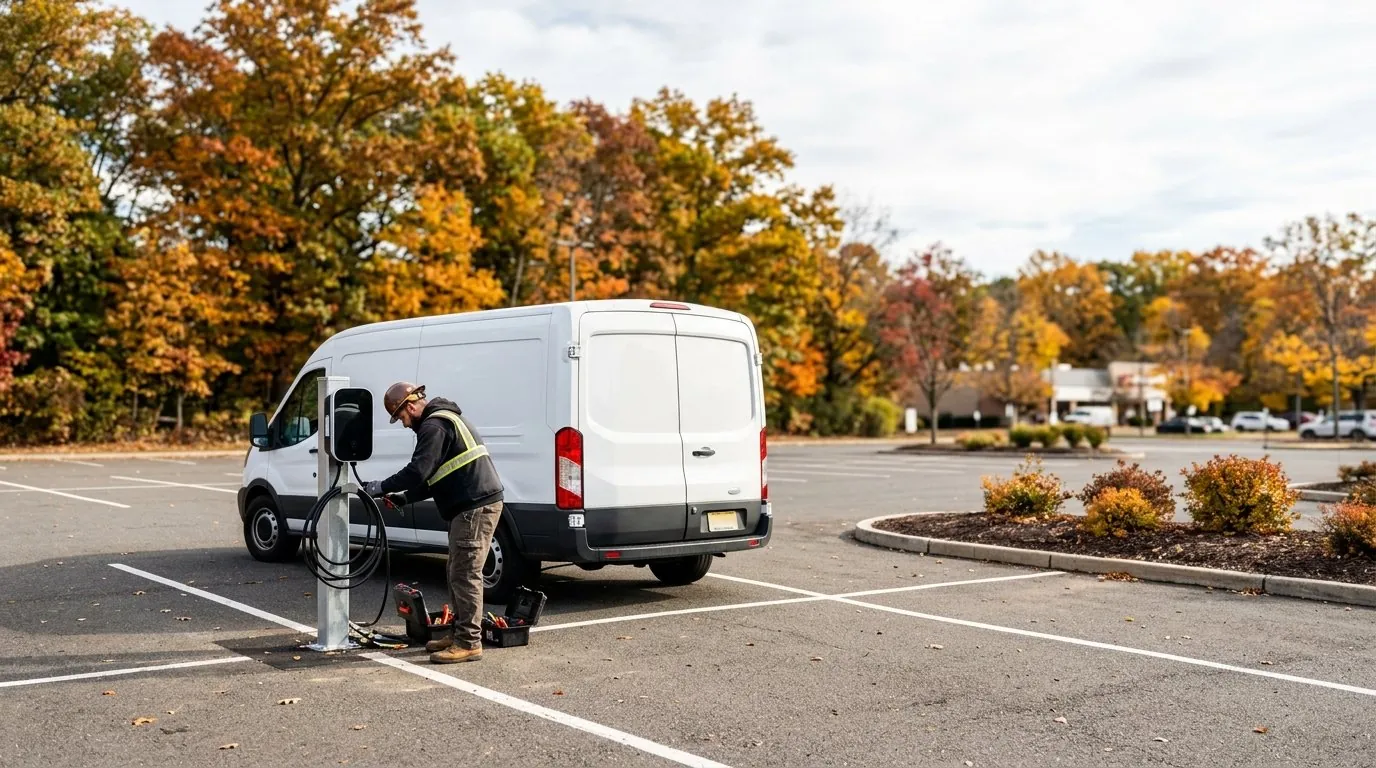
Understanding the Three Charger Levels
Not all EV chargers serve the same purpose. Choosing the wrong level for your property type wastes money and frustrates tenants or customers.
Here's a quick breakdown:
- Level 1: Uses a standard outlet and delivers the slowest charge. It works fine for overnight fleet parking but rarely satisfies retail customers waiting a few hours.
- Level 2: The most common commercial choice. It requires dedicated circuitry but charges fast enough for a typical shopping trip or workday.
- DC Fast Chargers: Deliver the quickest charge times, ideal for high-turnover lots or fleet depots. These units demand significantly more electrical capacity and a larger upfront investment.
Most commercial properties in Scotch Plains land on Level 2 as the practical middle ground. It balances speed, cost, and available electrical capacity better than the other two options.
What Drives Commercial EV Charger Installation Costs
The charger itself is only part of the bill. Panel capacity, trenching, and permitting often account for a larger share of the total project cost than the hardware.
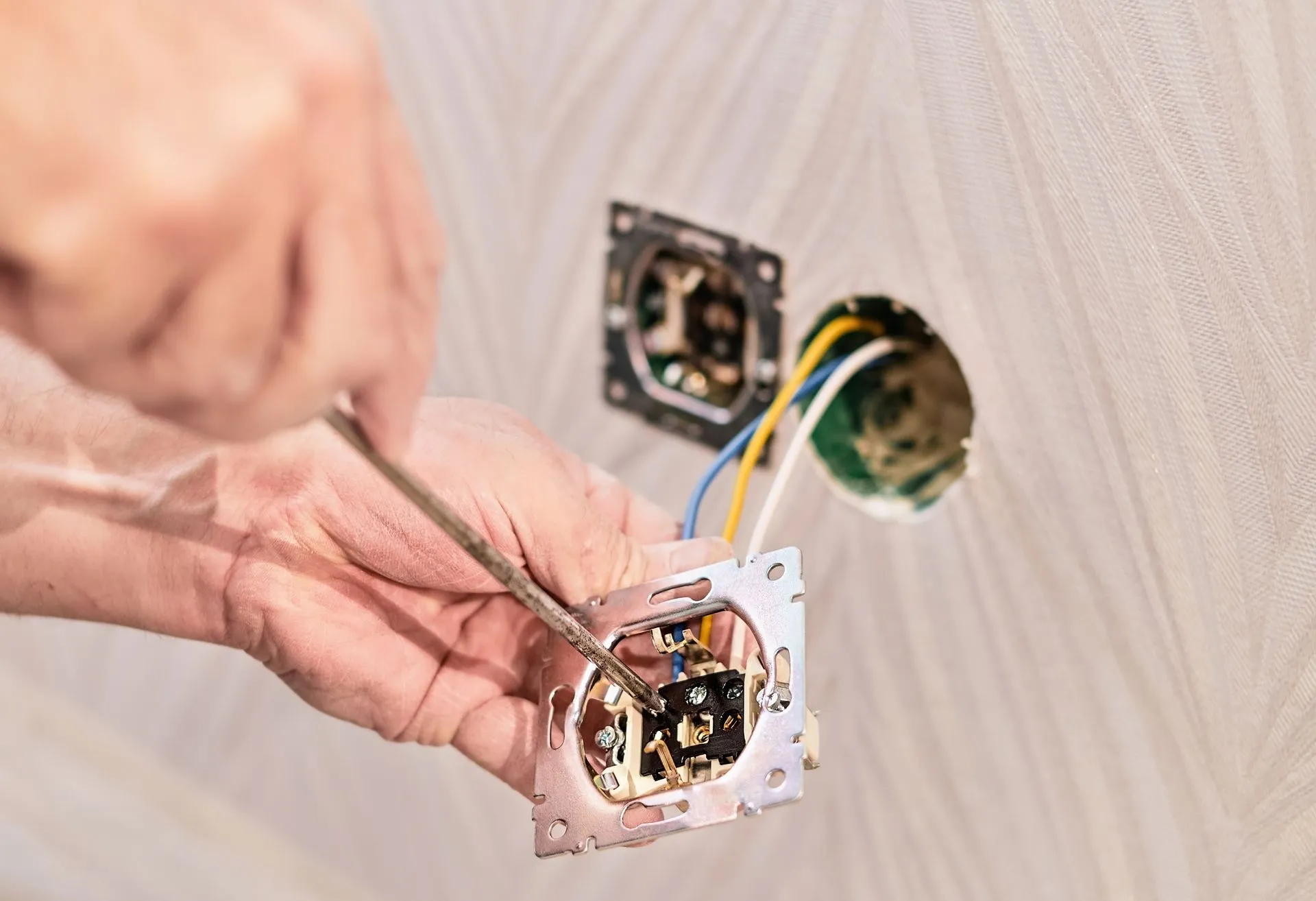
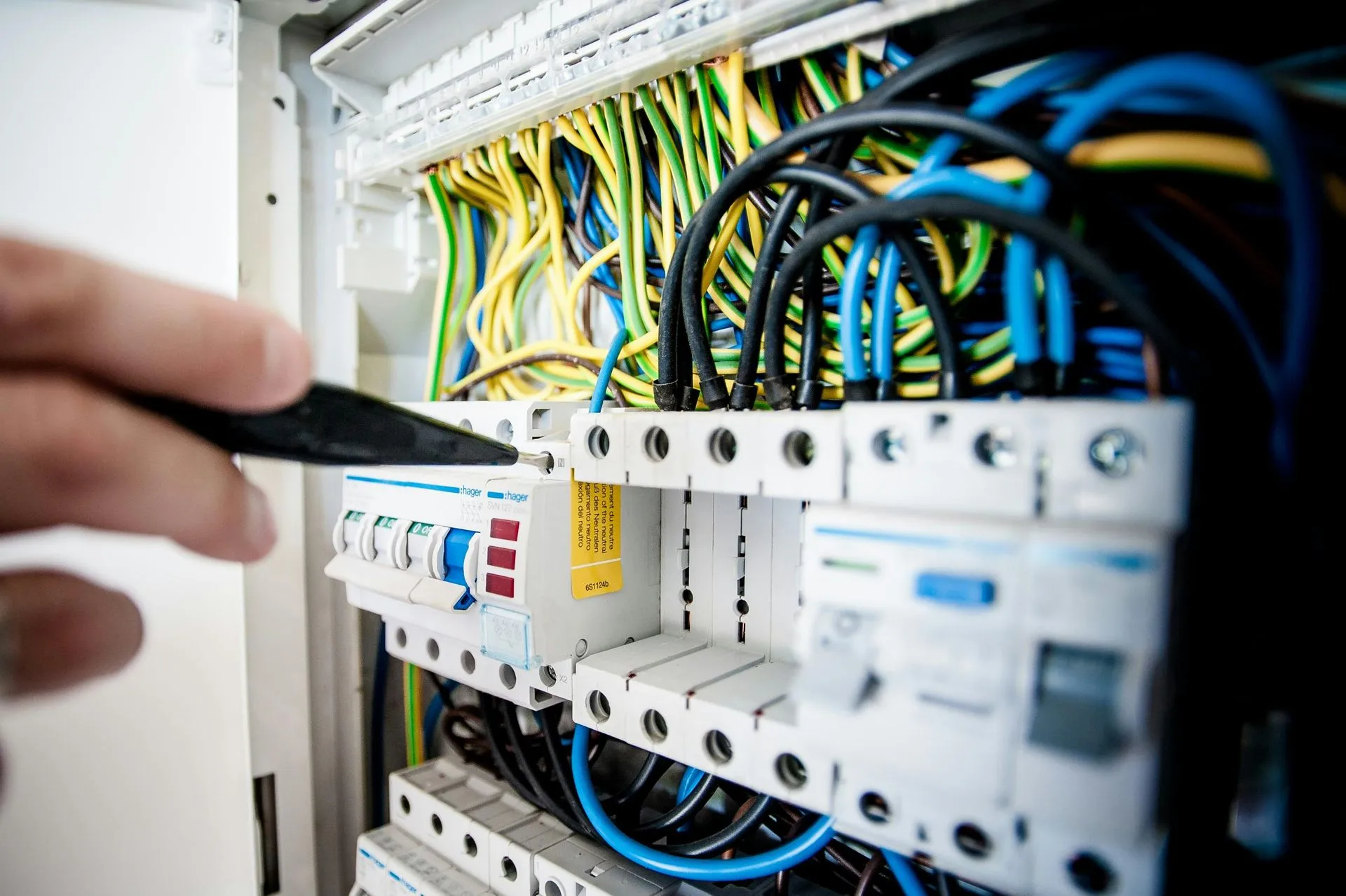
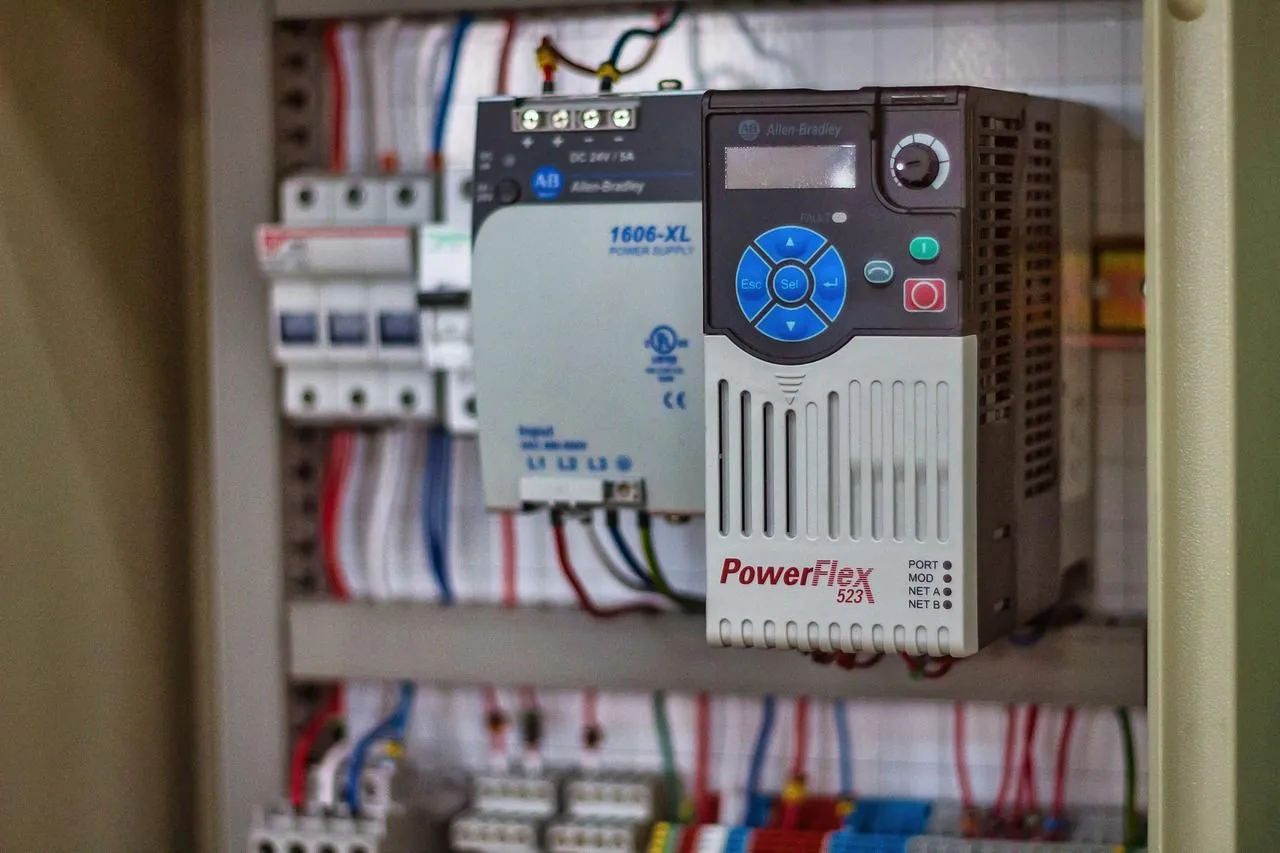
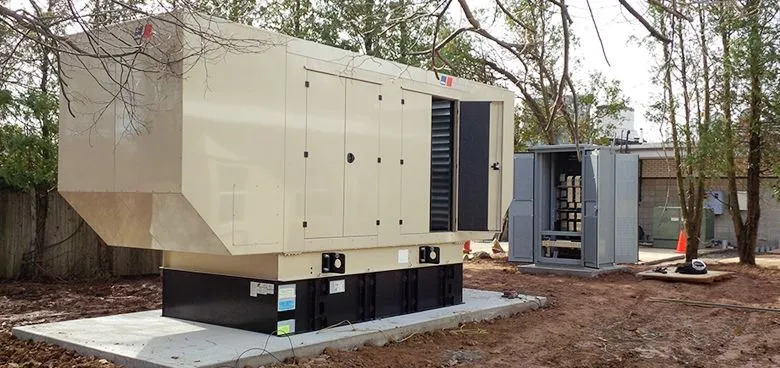
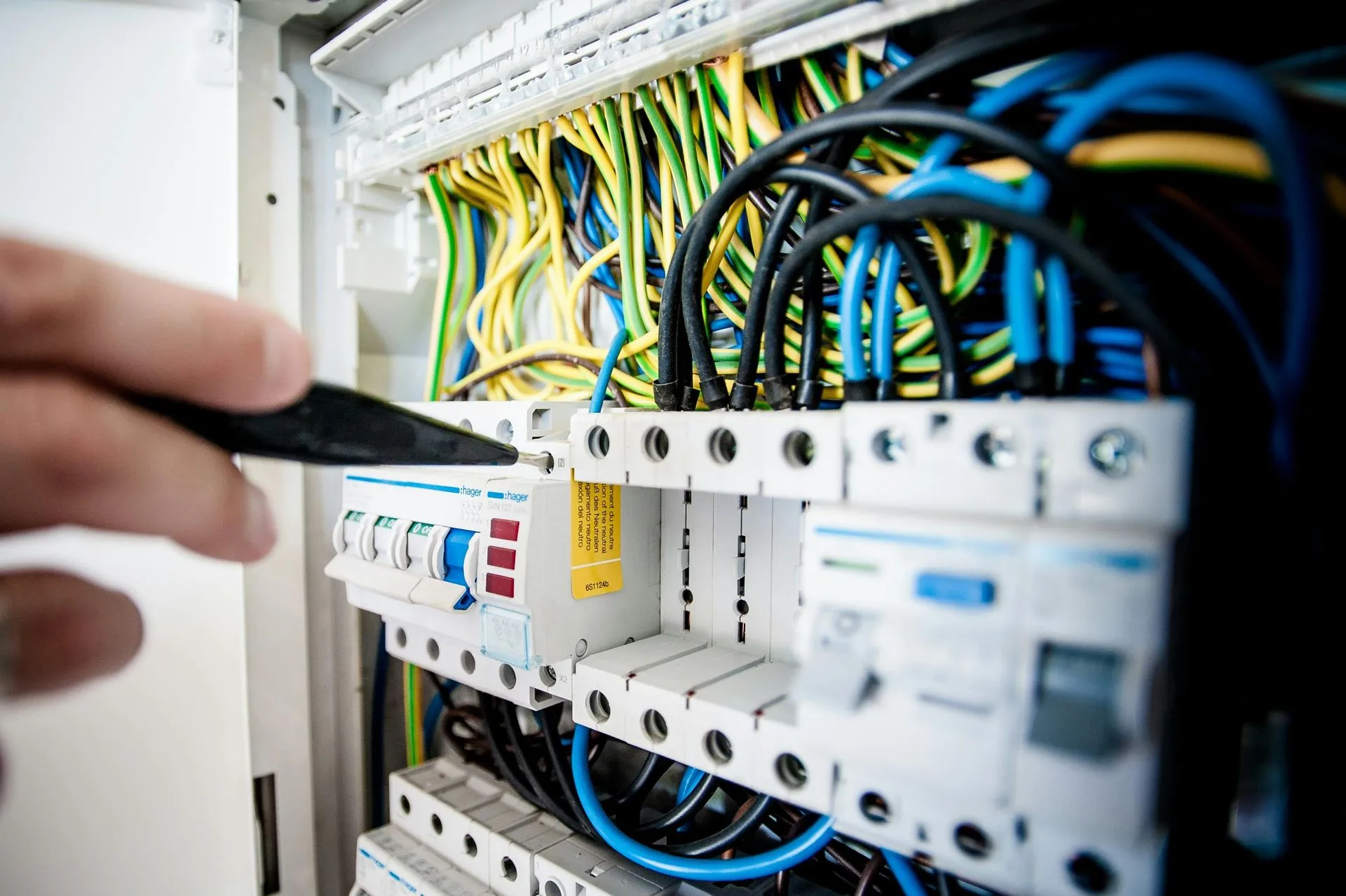
Older commercial buildings frequently need panel upgrades before they can support Level 2 or DC Fast equipment. Multi-family complexes and retail hubs with multiple planned ports face even heavier infrastructure demands. A contractor who understands local permitting requirements can help avoid delays that add unexpected costs mid-project.
Incentive Programs Cutting the Price
The rebate landscape has shifted. Some older residential-focused tax credits have phased out, but commercial property owners still have strong options on the table.
Utility-led programs are now the primary funding source for commercial installations. JCP&L and PSE&G both offer "Make-Ready" programs that offset infrastructure costs, providing up to $11,100 per qualified commercial port. That figure can substantially reduce the trenching and panel-upgrade expenses that typically drive costs higher.
Fleet operators have an additional path. The state's "Take Charge" pilot grant, a $25 million program, reimburses up to 50% of charging infrastructure costs for private commercial fleets. Together, these programs mean a well-planned project rarely relies on hardware costs alone to determine the final budget.
Why Professional Design Matters
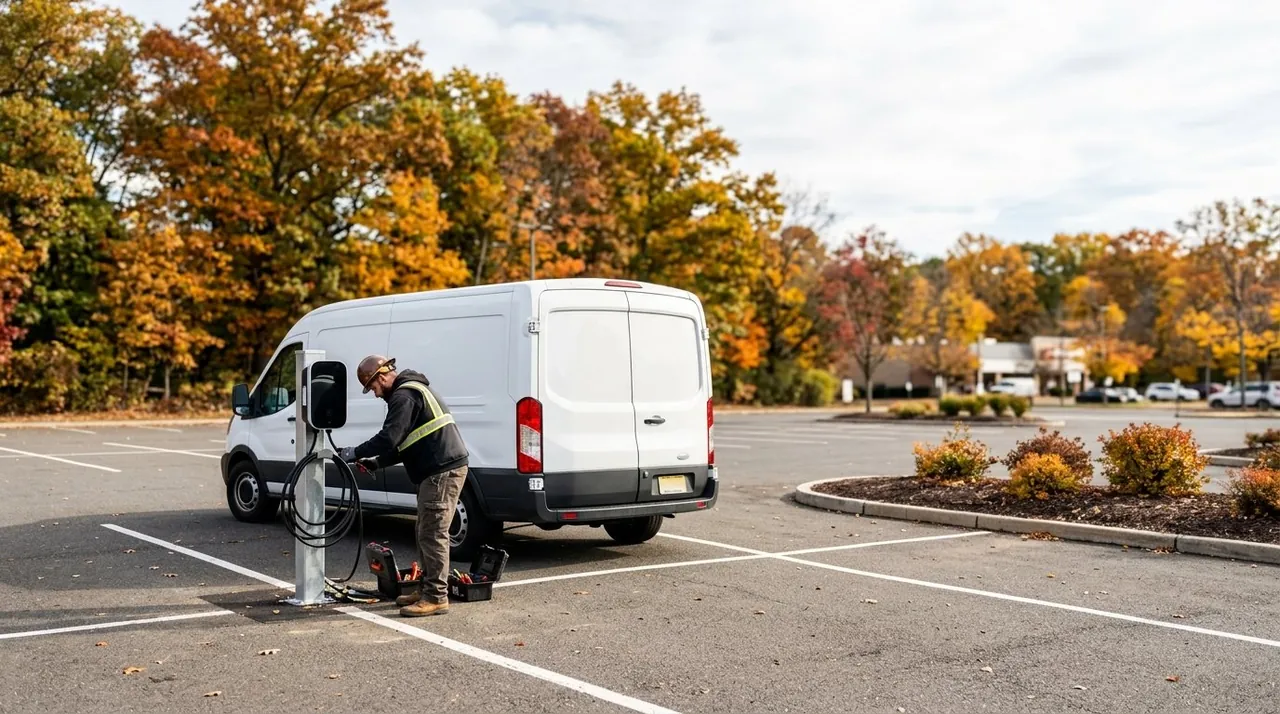
Navigating utility paperwork alongside electrical permitting isn't a side task. It requires a contractor who can properly size the load, document the Make-Ready application, and coordinate inspections without stalling the project. Clients working with commercial EV charger installation projects often describe a smooth process, from the initial consultation straight through project completion.
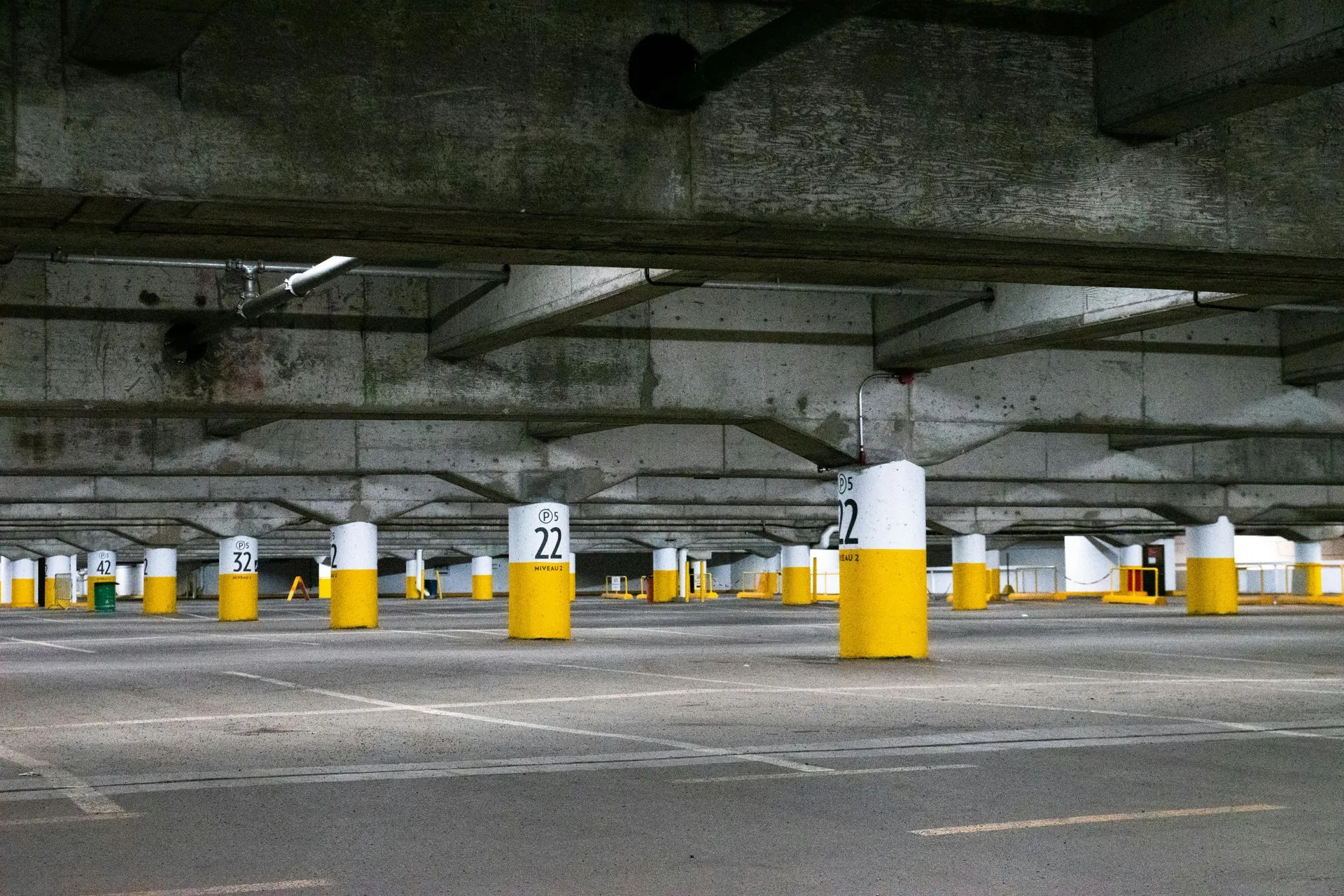
That consistency matters especially for properties adding multiple ports at once. A single miscalculated circuit can mean re-permitting an entire section of a parking structure.
Planning Your Installation Timeline
October is a practical month to start planning, before winter weather slows outdoor trenching and conduit work. Facility managers who begin the design phase now typically avoid spring backlogs when contractor schedules fill up quickly.
Consider these steps before requesting quotes:
- Identify how many ports you need now versus in the next few years.
- Request a load assessment to confirm your panel can support the chosen charger level.
- Ask your contractor which utility Make-Ready program applies to your property type.
- Confirm permitting timelines with your municipality before finalizing a budget.
Planning ahead like this keeps surprises out of the final invoice.
Frequently Asked Questions
Which charger level is best for a small commercial parking lot?
Level 2 chargers suit most small commercial lots. They charge fast enough for a typical visit without requiring the heavy electrical capacity DC Fast Chargers demand.
Do utility incentive programs cover the full cost of installation?
No, but they significantly reduce it. Make-Ready programs from JCP&L and PSE&G can offset up to $11,100 per qualified port, and the Take Charge grant reimburses up to half of fleet charging infrastructure costs.
Does an older commercial building need panel upgrades before installing chargers?
Many older buildings do need upgrades. A load assessment early in the process reveals whether existing capacity can support Level 2 or DC Fast equipment.
How long does a typical commercial charger installation take?
Timelines vary based on port count and whether panel upgrades are needed. Starting the design and permitting process early, especially before winter weather, helps avoid delays.
Are DC Fast Chargers worth the higher upfront cost for every business?
Not always. They make the most sense for high-turnover lots or fleet depots where rapid charging speed directly benefits operations.
Ready to discuss which charger level fits your property and which incentive programs apply? Reach out to request a load assessment and installation estimate for your commercial electric vehicle charger project.